
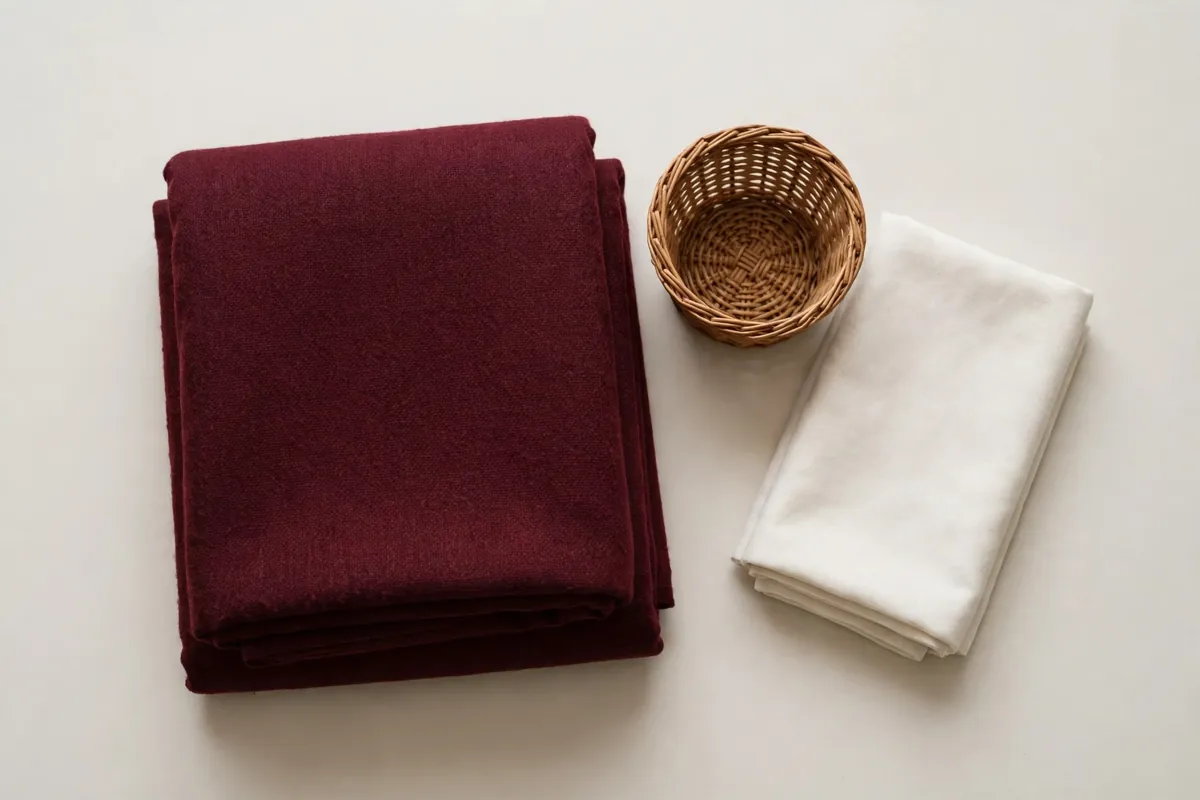
Learning how to wash khaddar suit fabric the right way protects the colour, shape and softness of your winter wardrobe. Khaddar is a thick woven cotton, and it behaves very differently from lawn or cambric. It holds dye well when washed with care, but hot water, harsh detergent and rough handling can fade it, shrink it or leave it rough. This guide covers washing, drying, ironing, de-pilling and storage, so your favourite winter suits last through the season and beyond. If you are still choosing fabric, our unstitched khaddar buying and styling guide explains weights, weaves and colours before you buy.
How to Wash Khaddar Suit at Home
Wash khaddar in cold or lukewarm water with a mild detergent, and turn the suit inside out before it goes into the water. Soak it for ten to fifteen minutes, press it gently, and rinse twice in clean water. Never wring it. Dry it in the shade. This keeps the colour bright and stops shrinkage.
Before the first wash
New khaddar often carries extra dye from the weaving and printing process, so the first wash matters most. Wash a new suit on its own, or at least away from light colours, until you are sure the dye has settled. Dark maroons, greens and blacks need the most care. Test colour fastness first by pressing a damp white cloth against a hidden seam. If colour transfers to the cloth, wash that suit separately for the first few washes. A spoon of salt in the first cold soak is a common home tip for setting dye, but it is not a guarantee, and it never replaces cold water and a mild detergent. Check the care label if your suit has one. Stitched pieces may carry different instructions from unstitched fabric, and embroidered panels need gentler handling than plain khaddar.
Hand washing, step by step
Hand washing is the safest way to wash khaddar, and it takes only a few extra minutes. Fill a tub or basin with cold or lukewarm water and dissolve a small amount of mild detergent in it. Turn the suit inside out, place it in the water, and let it soak for ten to fifteen minutes. Press the fabric gently with your hands to loosen dust and dirt. Pay attention to the collar, cuffs and underarms, where sweat and dust collect first. Rub stained areas softly between your palms instead of scrubbing with a brush. Brushes raise the fibres and cause pilling. Rinse twice in clean cold water until no soap remains. Soap left in the fabric dries stiff and dulls the colour. Lift the suit out in a bundle and press the water out gently. Never twist or wring khaddar, because wringing stretches the weave and leaves deep creases that are hard to iron out.
Machine washing without damage
A washing machine can handle khaddar if you set it up the right way. Turn the suit inside out and place it in a mesh laundry bag, which cuts down friction against the drum. Choose a gentle or delicate cycle with cold water and a mild liquid detergent. Skip the heavy spin setting. A slow spin leaves the fabric damp but keeps the weave intact. Wash dark and light colours in separate loads. Never add bleach, even to white khaddar, because bleach weakens cotton fibres and turns white fabric yellow over time. If your machine has a hand wash setting, use it for embroidered or printed suits. Take the suit out as soon as the cycle ends. Leaving damp khaddar in the machine invites a musty smell that is hard to remove.
What to avoid
A few habits damage khaddar faster than normal wear. Hot water is the first one. It shrinks cotton, fades dye and makes the fabric feel rough. Harsh powdered detergents are the second. They do not always dissolve fully, and the grains sit in the weave and scratch the fibres. Strong stain removers and bleach belong nowhere near khaddar. Rubbing a stain hard spreads it and raises the surface fibres. Direct sunlight while drying is another problem. It fades one side of the suit faster than the other and leaves uneven colour. Fabric softener is best used rarely. It coats cotton fibres and dulls the natural texture of khaddar. Plain cold water and a mild detergent do the job better.
Drying Khaddar the Right Way
Dry khaddar in the shade with good airflow, and keep it inside out while it dries. Hang it on a wide hanger or lay it flat, and let it dry fully before folding or ironing. Avoid direct sunlight, which fades colour, and avoid tumble dryers, which shrink cotton and wear out the weave.
A suit that dries the wrong way can lose its shape even if the wash was perfect. Shade drying is the single best habit for winter fabric care. Sunlight in Pakistan stays strong through winter, and it fades dark khaddar quickly. Hang the suit by its strongest point, or lay heavy pieces flat on a clean charpoy or drying rack. Thin wire hangers stretch wet shoulders out of shape, so use a wide plastic or wooden hanger. Pegs leave marks on wet fabric, so clip them to the inner seam if you must use them. Let the suit dry fully before you put it away. Damp khaddar folded into a cupboard grows a musty smell and can attract mildew in closed spaces. In humid weather, dry the suit near a fan or in a breezy room instead of a closed bathroom.
Ironing and Removing Wrinkles
Khaddar wrinkles more than lawn because the weave is thicker, but the wrinkles iron out easily with the right heat. Use a medium heat setting on your iron. High heat scorches cotton and leaves a shine on dark fabric. Iron the suit inside out when you can, or place a thin cotton cloth between the iron and the fabric. This pressing cloth protects prints and dark colours from shine marks. Steam works well on khaddar. Hold a steam iron a little above the fabric and let the steam relax the fibres before you press. Iron embroidered areas from the reverse side only, and never press the iron flat onto thread work. For deep creases, dampen the area lightly with a spray bottle and iron it again. Fold lines from storage usually come out after one pass with steam. Let the suit cool for a few minutes before you wear it or hang it, so the press sets properly.
Removing Lint Balls and Pilling from Khaddar
Pilling happens when loose cotton fibres roll into small balls where the fabric rubs against itself, usually under the arms and along the sides. Remove the balls with a fabric shaver or a lint roller, using light strokes in one direction. Wash the suit inside out and avoid rough surfaces to slow pilling down.
Pilling is normal for woven cotton, and it does not mean the fabric is poor quality. It appears fastest where two surfaces rub together, such as under the arms, where a dupatta sits, or where a bag strap crosses the shoulder. A small battery fabric shaver is the best tool for the job. Lay the suit flat, stretch the area gently, and pass the shaver lightly across the surface. A sticky lint roller works for light pilling, and a clean disposable razor can work in a pinch, but keep the blade flat and use almost no pressure, or you will cut the weave. Never pull lint balls off by hand. Pulling drags the fibres out and makes the pilling worse. To slow pilling, wash khaddar inside out, keep it away from rough walls and Velcro, and avoid wearing a heavy bag strap over the same shoulder every day.
Storing Winter Suits Between Seasons
Wash every khaddar suit before you store it, and make sure it is fully dry. Fold it loosely in a clean cotton cloth or a breathable storage bag, and keep it in a cool, dry place away from sunlight. Add dried neem leaves or cedar blocks to keep moths away, and air the stored suits out once a month.
Clean fabric stores far better than worn fabric. Stains, sweat and body oils left in khaddar attract insects and set into permanent marks over the summer. Wash each suit, dry it fully in the shade, and iron it lightly before folding. Fold loosely instead of pressing the fabric into a tight bundle. Tight folds crease the weave and weaken it along the fold line. Wrap each suit in a clean cotton cloth or an old cotton dupatta. This keeps dust off and lets the fabric breathe. Avoid sealed plastic bags for long storage. Plastic traps moisture, and trapped moisture leads to mildew and smell. Neem leaves are a simple home option for moth protection in Pakistan, and cedar blocks work well too. Check the stored suits once a month. Air them out for an hour, refold along a different line, and replace the neem leaves if they have dried out.
Caring for Embroidered and Printed Khaddar
Embroidered and printed khaddar needs a softer touch than plain fabric. Hand wash embroidered suits only. Machine agitation loosens thread work and frays the edges of motifs. Never rub the embroidered area while washing. Press it gently and let the soapy water do the work. Rinse in cold water and dry the suit flat in the shade, so the weight of the wet embroidery does not pull the fabric out of shape. Iron embroidery from the reverse side, with a pressing cloth between the iron and the threads. High heat melts or flattens printed designs, so keep the iron on medium and test a hidden corner first. Keep perfume and deodorant away from embroidery and prints. Spray them on your skin before you dress, not onto the fabric. Store embroidered suits with a layer of tissue or thin cotton between the folds, so thread work on one layer does not snag the fabric of the next.
A Simple Winter Fabric Care Routine for Pakistan
A short weekly routine keeps winter fabrics in good shape all season. Wash khaddar after two or three wears, or sooner if it smells of sweat or smoke. Air suits out between wears instead of washing after every use. Check for loose threads, stains and pilling once a week, and deal with small problems before they grow.
Good khaddar suit care in Pakistan is mostly about timing. Winter air is dry and dusty, and indoor heaters and cooking smoke settle into thick fabric fast. Airing a suit on a balcony or near a window for an hour freshens it without a full wash. Washing after every single wear wears khaddar out sooner, so save the wash for when the suit truly needs it. Keep a small care kit ready: a mild detergent, a fabric shaver, a lint roller, a pressing cloth and a mesh laundry bag. When a stain appears, treat it the same day with cold water and a little detergent. Old stains set into cotton and rarely come out fully. At the end of winter, wash every suit once more, dry it fully, and store it the right way, so next winter starts with fresh fabric instead of a repair job. Khaddar needs different care from summer cotton, and our cambric vs lawn fabric guide explains how lighter cottons behave in warm weather.
Khaddar Care FAQs
Can I machine wash khaddar suits? Yes. Use a gentle cycle with cold water and a mild liquid detergent. Turn the suit inside out, place it in a mesh laundry bag, and skip the heavy spin setting. Take it out as soon as the cycle ends and dry it in the shade.
Does khaddar shrink after washing? Khaddar can shrink a little in the first wash, usually by a small amount. Cold water, a gentle cycle and shade drying keep shrinkage low. Hot water and tumble drying cause the most shrinkage, so avoid both. Buying a slightly relaxed fit also helps.
How do I stop khaddar colour from fading? Wash in cold water with a mild detergent, turn the suit inside out, and wash dark colours separately. Dry in the shade, never in direct sunlight. Avoid bleach and harsh detergents, which strip dye from cotton fibres.
How do I remove pilling from khaddar? Use a fabric shaver or a lint roller, with light strokes in one direction while the fabric lies flat. Do not pull lint balls off by hand, because pulling drags the fibres out and makes pilling worse. Washing inside out slows pilling down.
How should I store khaddar suits in summer? Wash each suit first and dry it fully. Fold it loosely in a clean cotton cloth and keep it in a cool, dry place away from sunlight. Add dried neem leaves or cedar blocks to keep moths away, and air the suits out once a month.
Good khaddar suit care costs little and adds seasons to your winter wardrobe. Wash in cold water, dry in the shade, deal with pilling early, and store each suit clean and dry. If your winter wardrobe needs a fresh piece, browse RAWA’s ready-to-wear winter collection and find a suit that suits your style. And if you are planning your winter wardrobe from scratch, start with our unstitched khaddar buying and styling guide, which covers fabric weights, colours and styling ideas.

One Comment